

The Best Things To Do In Montenegro
Introduction
Welcome to Montenegro, a hidden gem nestled in the heart of Europe. This small Balkan country, often overshadowed by its more famous neighbors, offers a myriad of enchanting experiences for travelers seeking to explore off the beaten path. With its breathtaking landscapes, rich history, and warm Mediterranean climate, Montenegro is a destination that will captivate your senses.
Montenegro, which means “Black Mountain” in local language, is a land of contrasts. From the dramatic peaks of the Dinaric Alps to the crystal-clear waters of the Adriatic Sea, this country is a playground for nature lovers and adventure seekers alike. Whether you’re a fan of hiking, swimming, or simply soaking up the sun on a pristine beach, Montenegro has it all.
But it’s not just the natural beauty that makes Montenegro special. The country is also steeped in history, with its roots dating back to ancient times. From the fortified cities of Kotor and Budva to the Byzantine monasteries that dot the landscape, Montenegro offers a glimpse into its fascinating past. Strolling through the narrow cobblestone streets of the old towns, you’ll feel as though you’ve stepped back in time.
Moreover, the warmth and hospitality of the Montenegrin people is truly remarkable. Their genuine friendliness and welcoming nature will make you feel right at home. Whether you’re enjoying a traditional meal at a local restaurant or chatting with locals at a bustling market, the Montenegrins will make you feel like a part of their extended family.
In this article, we will take you on a journey through Montenegro, highlighting the best things to do and see in this enchanting country. From exploring the ancient towns to immersing yourself in the natural wonders, Montenegro offers an unforgettable experience for travelers of all kinds. So pack your bags and let’s embark on an adventure you won’t soon forget!
Visit the Bay of Kotor
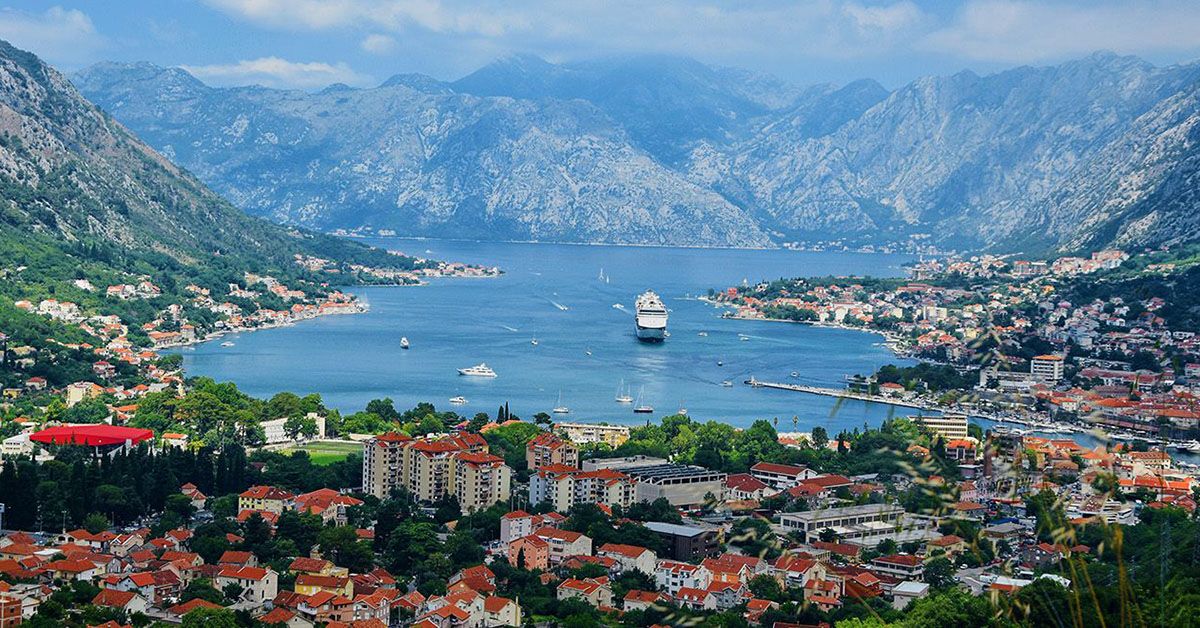
One of the most picturesque and iconic destinations in Montenegro is the Bay of Kotor. Often referred to as Europe’s southernmost fjord, this stunning bay is surrounded by towering mountains and dotted with charming seaside villages.
Exploring the Bay of Kotor is like stepping into a postcard. The sparkling turquoise waters, ancient architecture, and lush greenery create a breathtaking backdrop. Start your journey by visiting the charming town of Kotor, a UNESCO World Heritage site. Take a walk along the fortified walls that encircle the town and be prepared to be amazed by the panoramic views of the bay. Lose yourself in the maze-like streets of the Old Town, where you’ll find hidden squares, quaint shops, and historic churches.
For the more adventurous souls, hike up to the fortress of San Giovanni, perched high above the town. The climb may be challenging, but the reward is a bird’s-eye view of the entire bay that will leave you speechless.
Make sure to also explore the other towns and villages along the bay, such as Perast and Tivat. In Perast, you’ll find magnificent Baroque palaces and the famous Our Lady of the Rocks, a man-made island with a stunning church. Tivat, on the other hand, is known for its glamorous marina and trendy waterfront promenade.
And let’s not forget about the numerous islands within the bay. Take a boat trip to the Island of Saint George and visit the medieval Benedictine monastery. Or hop over to the tiny island of Our Lady of the Rocks, where you can soak up the sun and enjoy a swim in the crystal-clear waters.
Whether you’re a history enthusiast, a nature lover, or simply seeking relaxation by the sea, the Bay of Kotor is a must-visit destination in Montenegro. With its stunning landscapes, rich history, and charming coastal towns, it will leave you with memories to cherish long after your trip is over.
Explore the Old Town of Budva
Located on the Adriatic coast, the Old Town of Budva is a true gem of Montenegro. This ancient fortress, dating back to the 5th century BC, is a perfect blend of history, culture, and natural beauty.
As you enter the medieval walls of the Old Town, you’ll be transported back in time. The narrow cobbled streets, stone houses, and ancient churches create a charming and romantic atmosphere. Take a leisurely stroll through the town, exploring its hidden corners, and discover the well-preserved architectural remains from different periods of its history.
Make sure to visit the Citadel, one of the highlights of Budva’s Old Town. Climb up to its walls for an unparalleled panoramic view of the town and the sparkling Adriatic Sea. From here, you can also enjoy a stunning sunset that paints the sky in hues of orange and pink.
As you wander through the streets, you’ll come across various historical landmarks, such as the Church of St. Ivan, which boasts beautiful frescoes dating back to the 12th century. Don’t miss the chance to admire the intricate design and craftsmanship of these ancient works of art.
The Old Town of Budva is not only a place of history and culture but also a vibrant hub of cafes, restaurants, and boutiques. You can indulge in some shopping for handmade crafts, jewelry, and local products. Treat yourself to a delicious meal of fresh seafood at one of the waterfront restaurants and sip on a glass of local wine as you watch the world go by.
If you’re looking for some relaxation and sunbathing, head to one of Budva’s pristine beaches. The most famous, Mogren Beach, is just a short walk away from the Old Town. Here, you can soak up the sun, take a refreshing swim in the crystal-clear waters, or even try some water sports.
Whether you’re a history buff, a culture enthusiast, or simply love exploring charming old towns, the Old Town of Budva is a must-visit destination in Montenegro. Its rich history, stunning architecture, and lively atmosphere will leave a lasting impression.
Hike in Durmitor National Park
For nature lovers and outdoor enthusiasts, a visit to Durmitor National Park is an absolute must when in Montenegro. Located in the northwest region of the country, this UNESCO World Heritage site is a paradise for hikers, offering breathtaking landscapes and thrilling hiking trails.
The park is dominated by the majestic Durmitor mountain range, with its highest peak reaching an impressive 2,522 meters. As you explore the park, you’ll be greeted by snow-capped peaks, glacial lakes, deep canyons, and dense forests. The raw and untouched beauty of Durmitor will leave you in awe.
One of the most popular hikes in Durmitor National Park is the trek to Bobotov Kuk, the highest peak of the range. The trail takes you through lush meadows, rocky terrains, and alpine pastures, providing breathtaking views along the way. Standing on the summit and gazing at the panoramic vistas is a truly unforgettable experience.
If you’re up for a challenge, embark on the “Ring around Durmitor” trail, a 87-kilometer loop that circumnavigates the entire mountain range. This multi-day trek will take you through diverse landscapes, including glacial valleys, dense forests, and remote villages. It’s a true test of endurance and a chance to fully immerse yourself in the beauty of Durmitor.
For those seeking a more leisurely hike, there are shorter trails that lead to stunning viewpoints and natural wonders. Visit the Black Lake, the largest and most famous lake in the park, where you can take a leisurely walk around its tranquil shores. Or head to the Curevac viewpoint, which offers a jaw-dropping view of the Tara River Canyon, the deepest canyon in Europe.
Exploring Durmitor National Park is not just about hiking. The park is also a haven for wildlife enthusiasts, with the opportunity to spot rare species such as the Balkan chamois and the Eurasian lynx. Keep your eyes peeled as you traverse the trails, and you may be rewarded with a glimpse of these elusive creatures.
With its untouched wilderness, stunning landscapes, and exhilarating hiking trails, Durmitor National Park is a must-visit destination for nature enthusiasts. Whether you’re an experienced hiker or a novice adventurer, the park offers something for everyone. Lace up your hiking boots, breathe in the fresh mountain air, and let the beauty of Durmitor captivate your soul.
Discover the Tara River Canyon
Prepare to be amazed as you venture into the breathtaking Tara River Canyon, often referred to as the “Grand Canyon of Europe.” This natural wonder, located in the Durmitor National Park, is the second deepest canyon in the world and a must-see destination in Montenegro.
The Tara River, known for its crystal-clear turquoise waters, has carved its way through the rugged mountains, creating a spectacular canyon that stretches for 82 kilometers. The steep cliffs, lush forests, and dramatic rock formations make for a truly awe-inspiring sight.
For adventure seekers, the Tara River Canyon offers an exhilarating experience with its world-class white-water rafting opportunities. Navigate through the rushing rapids and cascading waterfalls as you paddle downstream. The thrilling ride will get your adrenaline pumping and leave you with memories to last a lifetime.
If you prefer a more relaxed way to experience the beauty of the canyon, take a leisurely boat trip along the river. Sit back and marvel at the towering cliffs as you peacefully glide through the calm waters. The tranquility of the surroundings will leave you feeling refreshed and at peace.
For the daredevils, the Tara River Canyon is also home to the second-highest bungee jumping bridge in the world. Take a leap of faith and freefall from a height of 152 meters, surrounded by the stunning vistas of the canyon. It’s an adrenaline rush like no other.
Aside from the adventure activities, the Tara River Canyon is also a haven for nature lovers. The surrounding forests are home to a wide variety of flora and fauna, providing opportunities for hiking and wildlife spotting. Keep your eyes peeled for native species such as brown bears, wolves, and golden eagles.
A visit to the Tara River Canyon is not just about the natural beauty. The area is also rich in cultural heritage. Stop by the remote mountain villages and get a glimpse into the traditional way of life. Interact with the locals, savor the local cuisine, and learn about their customs and traditions.
With its unparalleled beauty and thrilling activities, the Tara River Canyon is a must-visit destination for nature enthusiasts and adventure seekers. Get ready to be mesmerized by the grandeur of this natural wonder as you create unforgettable memories in Montenegro.
Relax on Montenegrin Beaches
Montenegro is blessed with a stunning coastline along the Adriatic Sea, offering an array of beautiful beaches for those seeking sun, sand, and relaxation. From secluded coves to lively resorts, Montenegro has something to suit every beach lover’s taste.
One of the most popular beach destinations in Montenegro is the town of Budva, known for its vibrant atmosphere and stunning coastline. The main beach, known as Mogren Beach, is a must-visit spot. With its crystal-clear waters and soft golden sand, it’s an idyllic place to unwind and soak up the sun. For a more secluded experience, head to nearby Jaz Beach, nestled in a picturesque bay surrounded by rocky cliffs.
If you prefer a quieter beach escape, make your way to the charming town of Petrovac. Here, you’ll find the beautiful Petrovac Beach, a crescent-shaped stretch of sand lined with cafes and restaurants. Relax under the shade of an umbrella, take a dip in the refreshing water, and enjoy the laid-back atmosphere.
For those looking for more off-the-beaten-path beaches, explore the Lustica Peninsula. This rugged and unspoiled coastal area is home to hidden gems such as Zanjice Beach and Miriste Beach. With their pristine waters and untouched nature, these secluded beaches offer a tranquil retreat away from the busy crowds.
A visit to Montenegro would not be complete without exploring the beaches of the Ada Bojana. Located at the southernmost tip of the country, this unique river island is a haven for beach lovers. Its sandy beaches and warm, shallow waters make it perfect for swimming, sunbathing, and various water sports activities.
When visiting Montenegrin beaches, take the opportunity to indulge in delicious cuisine at the beachside restaurants. From fresh seafood to traditional Montenegrin specialties, you can savor the flavors of the region while enjoying the breathtaking views of the Adriatic Sea.
Whether you’re seeking a lively beach scene with water sports and entertainment or a secluded stretch of sand where you can relax and recharge, Montenegro offers an array of beach options to suit your preferences. So, grab your sunscreen, beach towel, and enjoy the spectacular coastal beauty that Montenegro has to offer!
Marvel at the Ostrog Monastery
Nestled against a vertical cliff face, the Ostrog Monastery is a true architectural wonder and a spiritual sanctuary that attracts visitors from around the world. Located in central Montenegro, this Orthodox Christian pilgrimage site is perched at an elevation of 900 meters, offering breathtaking views of the surrounding countryside.
The monastery was founded in the 17th century and is dedicated to Saint Basil of Ostrog, a revered Orthodox saint. What makes this monastery truly remarkable is its unique location, seemingly carved into the face of a sheer rock. The white stone facade of the monastery appears like a mirage against the backdrop of the rugged mountains.
As you approach the Ostrog Monastery, you’ll be amazed by the sheer scale and grandeur of its architecture. Walk up the winding path, lined with pine trees and wildflowers, and you’ll reach the Upper Monastery complex. Here, you can explore the stunning main church, adorned with frescoes and icons, and the tomb of Saint Basil of Ostrog.
For those seeking a deeper spiritual experience, the monastery welcomes pilgrims and visitors to attend religious services and to partake in the spiritual energy that permeates the site. Many visitors come to seek healing, solace, and blessings from Saint Basil of Ostrog. The serene atmosphere and the devotion of the pilgrims create an ambiance of tranquility and reverence.
Aside from its spiritual significance, the Ostrog Monastery also offers breathtaking panoramic views of the surrounding landscape. From the balconies and windows of the monastery, you can gaze out at the mountainous terrain, lush valleys, and distant villages, creating a truly awe-inspiring sight.
When visiting the Ostrog Monastery, it’s important to dress modestly and respectfully, as it is still an active place of worship. Women should cover their heads and wear long skirts or pants, while men should wear long trousers.
Whether you’re religious or not, a visit to the Ostrog Monastery is an unforgettable experience. The combination of its dramatic location, spiritual ambiance, and architectural beauty creates a profound connection with the past and a deep sense of awe. Prepare to be mesmerized by this remarkable cultural and religious treasure in the heart of Montenegro.
Explore the Lovćen National Park
Tucked away in the rugged mountains of Montenegro, Lovćen National Park offers a stunning natural retreat for outdoor enthusiasts and nature lovers. This national park, located in the southwestern part of the country, is a cultural and historical gem, showcasing Montenegro’s rich heritage and extraordinary biodiversity.
The park is named after Mount Lovćen, a prominent peak rising to an elevation of 1,749 meters. Its rocky landscapes, dense forests, and breathtaking vistas make it a paradise for hikers and nature enthusiasts. Lace up your hiking boots and embark on the trails that wind through the park, immersing yourself in the stunning natural beauty.
One of the highlights of Lovćen National Park is the Mausoleum of Njegoš, dedicated to one of the country’s revered poets and historical figures, Petar II Petrović Njegoš. Perched at the summit of Mount Lovćen, this majestic mausoleum offers panoramic views of the surrounding mountains, valleys, and the Bay of Kotor. The intricate architecture and the peaceful serenity of the surroundings create a deeply spiritual and contemplative atmosphere.
As you explore the park, keep an eye out for the diverse flora and fauna that call Lovćen home. The park is home to numerous endemic species, including the rare and protected Balkan chamois. Birdwatchers will delight in spotting various bird species, including golden eagles, owls, and woodpeckers, among others.
For those seeking a leisurely experience, drive along the famous serpentine road that winds through Lovćen National Park. This scenic road provides breathtaking views as it snakes its way through the mountains, offering picture-perfect spots for memorable photo opportunities.
Aside from its natural beauty, Lovćen National Park is also deeply intertwined with Montenegrin culture and history. Traditional stone houses, rural communities, and historic villages dot the landscape, providing a glimpse into the country’s past. Take the time to visit the charming village of Njeguši, known for its delicious local delicacies, such as smoked ham and cheese.
Whether you’re a nature lover, a history enthusiast, or simply seeking tranquility in a stunning setting, Lovćen National Park has something for everyone. Its striking landscapes, cultural significance, and abundant wildlife make it a must-explore destination in Montenegro. So, put on your hiking boots, bring your camera, and embrace the wonders of Lovćen.
Visit the Skadar Lake National Park
Nestled on the border between Montenegro and Albania, Skadar Lake National Park is a hidden oasis of natural beauty and biodiversity. With its vast expanse of shimmering waters, rugged landscapes, and diverse wildlife, this park offers a unique and magical experience for nature enthusiasts.
Skadar Lake, the largest lake in the Balkans, is the centerpiece of the national park. Its crystal-clear waters, surrounded by lush vegetation and towering mountains, create a picturesque and serene atmosphere. Take a boat trip on the lake and marvel at the beauty that unfolds before you. Admire the rich variety of bird species that call the lake home, including the rare Dalmatian pelican and the graceful Great Egret.
If you’re a bird lover, don’t miss the chance to explore the park’s bird-watching hides, where you can observe and photograph the fascinating avian species in their natural habitat. The park is a true haven for birdwatchers, offering a glimpse into the intricate world of bird migration and breeding.
For the adventurous souls, hike along the scenic trails that wind through the park, leading you to stunning viewpoints and hidden gems. Explore the ancient ruins of fortress walls and monasteries that dot the landscape, revealing the historical significance of the area.
As you explore the park, you’ll also come across quaint fishing villages and traditional stone houses, where you can immerse yourself in the local culture and way of life. Sample fresh fish dishes and traditional Montenegrin cuisine at one of the local restaurants, or simply take a leisurely stroll along the shores of the lake, enjoying the tranquility and beauty of the surroundings.
Skadar Lake National Park is not just a place of natural beauty; it is also a sanctuary for biodiversity. The park is home to over 260 species of birds, as well as a diverse array of fish, reptiles, and mammals. The protection and conservation efforts in the park have made it a UNESCO World Heritage site, recognizing its ecological importance.
Whether you’re a nature lover, a bird enthusiast, or simply seeking a peaceful escape, Skadar Lake National Park offers a mesmerizing experience. Explore the tranquil waters, breathe in the fresh air, and immerse yourself in the beauty that surrounds you. A visit to this unique and enchanting park will leave you with memories that will last a lifetime.
Experience the vibrant city of Podgorica
As the capital and largest city of Montenegro, Podgorica is a vibrant and bustling metropolis that offers a mix of history, culture, and modernity. While often overlooked by travelers in favor of coastal destinations, Podgorica has its own unique charm and plenty to offer visitors who want to experience the heart of Montenegro.
Start your exploration in the Stara Varoš (Old Town) area, where you can wander through narrow streets lined with traditional houses and charming cafes. Admire the Clock Tower, a symbol of the city, and visit the ruins of the old Ottoman city walls, which offer a glimpse into Podgorica’s past. Don’t miss a visit to the Millennium Bridge, a modern architectural marvel that spans the Morača River and provides stunning views of the city.
For history buffs, a visit to the Petrović Castle is a must. This historic fortress, perched atop a hill, offers panoramic views of the city and houses the Petrović dynasty museum. Learn about Montenegro’s royal history and explore the exhibits showcasing artifacts and memorabilia from the country’s past.
Podgorica is also home to a vibrant arts and culture scene. Visit the Montenegrin National Theatre, which hosts a variety of performances, including theater, ballet, and opera, showcasing local talent. Explore the contemporary art scene at the Modern Art Gallery, where you can discover works by Montenegrin and international artists.
When it comes to dining, Podgorica offers a plethora of options that cater to every palate. From traditional Montenegrin cuisine to international flavors, you’ll find a wide range of restaurants and cafes to satisfy your culinary cravings. Don’t forget to try the local specialty, cicvara, a hearty dish made with cornmeal and cheese.
For nature lovers, Podgorica is surrounded by stunning natural beauty. Take a short drive to the nearby Lake Skadar National Park, where you can explore the largest lake in the Balkans, go birdwatching, or take a scenic boat trip. Alternatively, head to the nearby Moraca River Canyon for breathtaking views and hiking opportunities.
With its blend of history, culture, and natural beauty, Podgorica offers a unique and vibrant experience for travelers. Whether you’re interested in exploring historical landmarks, immersing yourself in local art and culture, or savoring diverse culinary delights, the city has something for everyone. Don’t miss the opportunity to experience the pulse of Montenegro in the lively and captivating city of Podgorica.
Take a boat trip to the Blue Cave
Prepare to be captivated by the mesmerizing beauty of the Blue Cave, a natural wonder located along the coast of Montenegro. This stunning sea cave, also known as Plava Špilja, is renowned for its ethereal blue hues and the magical light that emanates from its crystal-clear waters.
The Blue Cave is situated on the Lustica Peninsula, a rugged and unspoiled area of Montenegro’s coastline. To reach the cave, you can embark on a boat trip from nearby Herceg Novi or Kotor. As you cruise along the coastline, you’ll be treated to breathtaking views of dramatic cliffs and picturesque beaches.
Upon arriving at the Blue Cave, prepare to be amazed as you enter its enchanting interior. The sunlight filtering through an underwater opening creates a mesmerizing glow that illuminates the cave, turning the water into a shimmering shade of electric blue. The effect is truly otherworldly and will leave you in awe of Mother Nature’s artistic prowess.
Swimming inside the Blue Cave is an unforgettable experience. Dive into the crystal-clear waters and witness the magical play of light and color as it reflects off the walls of the cave. The feeling of being surrounded by the illuminated blue waters is both calming and exhilarating.
During the boat trip to the Blue Cave, you’ll also have the opportunity to explore other nearby attractions. Cruise along the Lustica Peninsula and discover hidden coves, secluded beaches, and sea cliffs carved by the constant motion of the Adriatic Sea. Immerse yourself in the natural beauty of the coastline as your boat glides through the azure waters.
For those who prefer a more active adventure, some boat tours include snorkeling stops along the way. Dive into the turquoise waters and discover the vibrant marine life that inhabits the secluded bays and underwater caves of the Montenegrin coast. Swim among colorful fish and marvel at the diversity of the Adriatic Sea.
Visiting the Blue Cave is a truly magical and unforgettable experience. Its ethereal beauty, created by nature’s artistry, will leave you with a sense of wonder and tranquility. So, embark on a boat trip, immerse yourself in the beauty of the Blue Cave, and create memories that will last a lifetime.
Conclusion
Montenegro, with its stunning natural beauty, rich history, and vibrant culture, is a destination that offers something for every traveler. From the breathtaking landscapes of the Bay of Kotor and Durmitor National Park to the ancient towns of Budva and Ostrog Monastery, there is a wealth of experiences waiting to be discovered.
Whether you’re an adventurer seeking thrilling hikes and water sports, a history enthusiast exploring ancient fortresses and monasteries, or a beach lover basking in the sun on Montenegro’s pristine shores, this country provides an unforgettable journey of exploration and discovery.
Immerse yourself in the warm hospitality of the Montenegrin people, sample local delicacies, and discover the rich culture that permeates every corner of the country. Explore the vibrant city of Podgorica, where history blends seamlessly with modernity, and take a boat trip to the enchanting Blue Cave along the stunning coastline.
In Montenegro, you’ll find a diverse range of experiences that will leave you with lasting memories. Whether you’re marveling at the panoramas from the fortified walls of Kotor, hiking the rugged trails of Lovćen National Park, or delving into the cultural heritage of Skadar Lake National Park, each moment spent in this European gem will be an adventure in itself.
So pack your bags and set off on a journey to Montenegro, where natural beauty, history, and warm hospitality combine to create a truly enchanting experience. Whether you’re looking for outdoor adventures, cultural immersion, or simply a respite in the lap of nature, Montenegro will exceed your expectations and leave you with a deep appreciation for this hidden gem in Europe.
Explore, discover, and be captivated by the wonders of Montenegro – a destination that will steal your heart and leave an indelible mark on your soul.
